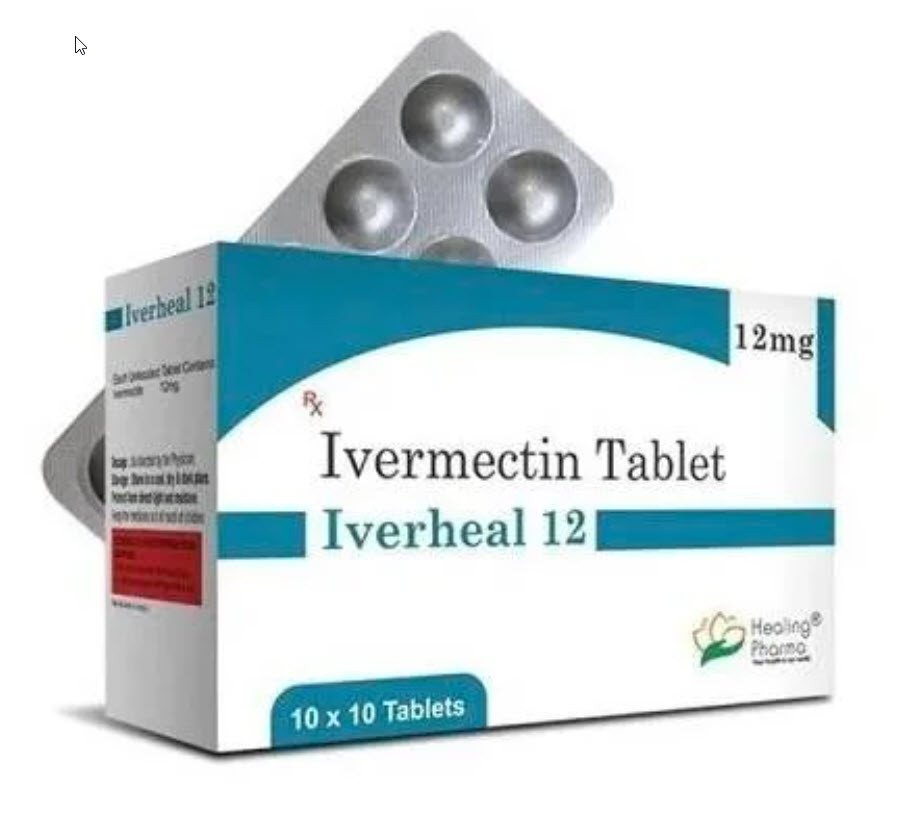
There is so much talk about these products - Ivermectin, Fenbendazole, Mebendazole! in fact, it can be extremely overwhelming. So we are going to break it down in bite sized chunks in order for you to have the best information available. Further to this, we are going to give you a suggested protocol regime, and where to purchase the products from. So let's get started.
In a nutshell, and as you are aware, these items are apparently successful in overcoming serious illness. This article is not to persuade you one way or the other but to give you the information you need in order to make your own decision.
We will start by breaking down each of these products:
Ivermectin
Primary Use: Ivermectin is an FDA-approved antiparasitic drug used to treat infections caused by roundworms, lice, and mites in humans (e.g., river blindness and scabies). It is also widely used in veterinary medicine to deworm livestock and pets.
Why Some Believe It Helps with Cancer or Other Diseases: Interest in this product as a potential cancer treatment stems from in vitro (lab-based) and animal studies suggesting it might inhibit tumor growth by disrupting cellular processes in cancer cells. Additionally, during the COVID-19 pandemic, some proponents claimed it had antiviral effects, though major health organizations (WHO, FDA) found insufficient evidence to support its use for COVID-19. Critics argue that the doses required for potential anticancer effects in humans are much higher than those used for parasitic infections, raising safety concerns.
Sources:
- FDA: Why You Should Not Use Ivermectin to Treat or Prevent COVID-19
- National Cancer Institute: Ivermectin and Cancer Research
- WHO: Ivermectin and COVID-19
Fenbendazole
Primary Use: This product is a deworming medication for animals, commonly given to dogs, cats, and livestock to treat intestinal parasites like roundworms and hookworms. It is not approved for human use by the FDA.
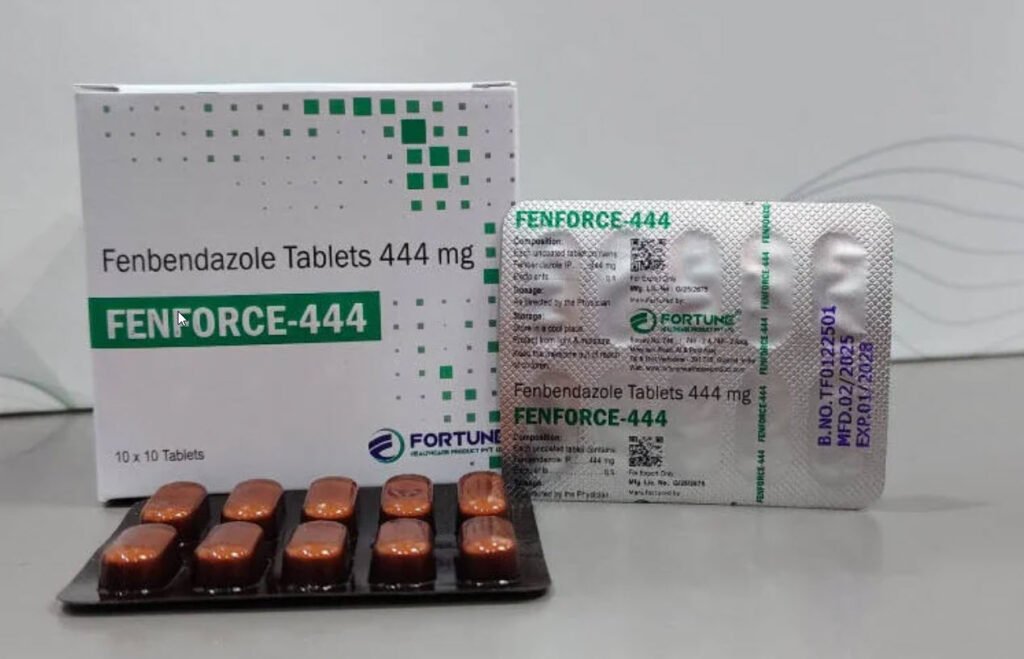
Why Some Believe It Helps with Cancer: The interest in the product for cancer began after anecdotal reports, including a viral story of a man with late-stage cancer who claimed it helped him, along with other similar stories. Some preclinical studies suggest that it might interfere with cancer cell metabolism (similar to how it starves parasites), but no rigorous clinical trials confirm its effectiveness in humans. Supporters often cite its low cost and perceived safety, while skeptics warn that self-medicating with a veterinary drug carries unknown risks.
Sources:
- NIH PubMed: Fenbendazole as a Potential Anticancer Drug (Preclinical studies only)
- FDA: Unapproved Drugs for Human Use
- Cancer Research UK: Fenbendazole and Cancer Myths
Mebendazole
Primary Use: Mebendazole is an FDA-approved anthelmintic (anti-parasitic) drug for humans, used to treat pinworm, whipworm, and hookworm infections.
Why Some Believe It Helps with Cancer: Like fenbendazole, mebendazole has been studied in lab settings for its potential to block cancer cell growth, particularly in glioblastoma (a type of brain tumor). Some researchers theorize that it may inhibit microtubule formation in cancer cells, similar to certain chemotherapy drugs. However, while early research is intriguing, no large-scale human trials have proven its efficacy as a standalone cancer treatment. Proponents argue that repurposing existing drugs is cost-effective, whereas critics emphasize that cancer is complex and requires targeted therapies.
Sources:
- NIH National Cancer Institute: Drug Repurposing – Mebendazole
- Journal of Clinical Oncology: Mebendazole in Glioblastoma Research (Early-phase trials)
- FDA: Mebendazole Label Information

- STRICT MEDICAL DISCLAIMER
WARNING: The information in this article is NOT medical advice and should NOT be used to self-treat any disease, including cancer.
- THESE DRUGS ARE NOT PROVEN CANCER TREATMENTS
- These drugs are NOT are not FDA-approved for cancer treatment.
- Fenbendazole is a veterinary drug NOT formulated for human consumption and may cause severe or life-threatening side effects.
- Using these drugs as an alternative to conventional cancer therapy could accelerate disease progression or lead to fatal consequences.
- SELF-MEDICATION IS DANGEROUS AND POTENTIALLY DEADLY
- Taking unprescribed medications, especially at unverified doses, can result in organ damage, dangerous drug interactions, or death.
- Anecdotal stories are NOT scientific evidence. What works for one person (if true) may harm or kill another.
- DELAYING PROVEN TREATMENT REDUCES SURVIVAL CHANCES
- Replacing chemotherapy, radiation, or surgery with unproven drugs significantly decreases the likelihood of successful treatment.
- Many alternative therapy claims are promoted by non-medical individuals with financial or ideological motives.
- LEGAL AND ETHICAL WARNING
- The author, publisher, and website do not endorse the use of these drugs for cancer and disclaim all liability for any harm resulting from their misuse.
- By reading this article, you accept full responsibility for your health decisions.
IF YOU OR A LOVED ONE HAS CANCER:
➜ STOP researching unproven treatments online.
➜ IMMEDIATELY CONSULT a board-certified oncologist.
➜ ONLY pursue therapies validated by clinical trials (see ClinicalTrials.gov).
This is not a debate. Your life may depend on it.
If you require any assistance with this article, please do not hesitate to Contact Us
Note: We are not affiliates for these products.