
Drinking bottles have become a daily companion for millions, offering a convenient and eco-friendly way to stay hydrated. However, in 2025, with growing awareness about health risks, it’s crucial to understand the potential danger lurking inside your reusable water bottle: bacteria. Studies reveal that reusable bottles can harbor alarming amounts of bacteria if not cleaned properly. Some sources even suggest they could contain more germs than a toilet seat. This article provides proven steps to prevent bacterial growth, highlights essential cleaning tips, and discusses common mistakes to avoid.
Why Bacterial Growth in Drinking Bottles is a Problem
Bacteria thrive in moist, dark environments, which makes your water bottle an ideal breeding ground. If left unwashed, the bacteria on your bottle could multiply rapidly, potentially causing illnesses such as:
- Gastrointestinal issues.
- Skin infections from harmful strains like Staphylococcus.
- Contaminated water drinking illnesses due to E. coli or Salmonella.
A report from WebMD reveals that reusable water bottles, if not cleaned daily, could harbor more bacteria than a public restroom. This is a wake-up call for anyone who repurposes their bottle without proper hygiene measures.
Top 7 Proven Steps to Prevent Bacteria in Drinking Bottles
Preventing bacteria isn't challenging if you follow these proactive steps:
1. Wash Your Bottle DAILY
According to the Cleveland Clinic, whether your bottle is made of plastic, stainless steel, or glass, washing it daily is the best way to prevent bacterial growth. Use warm, soapy water and a bottle brush to scrub thoroughly.
2. Opt for BPA-Free and Antibacterial Materials
Plastic bottles with BPA can sometimes harbor scratches that trap bacteria. Instead, choose BPA-free materials or look for bottles that are explicitly designed with antibacterial properties.
3. Avoid Leaving Bottles Closed Overnight
Trapping moisture inside your bottle by capping it after use can create the perfect environment for bacteria to thrive. After washing, allow the bottle to air dry completely before sealing it.
4. Disinfect Weekly with Vinegar or Baking Soda
As highlighted by Good Housekeeping, cleaning agents like vinegar or baking soda can be excellent for deep cleaning. Fill your bottle halfway with a mix of water and vinegar or add a teaspoon of baking soda before rinsing. We actually use Milton sterilizing fluid (that mums clean baby's bottles with).
5. Steer Clear of Bottles with Narrow Mouthpieces
Bottles with a narrow mouth are harder to clean thoroughly. Consider wide-mouthed bottles that make it easier for a sponge or brush to reach all surfaces.
6. Don’t Use the Same Bottle for Multiple Days Without Cleaning
It's tempting to toss the same bottle into your bag day after day, but doing this can lead to bacterial buildup. Replace or clean your bottle consistently instead of carrying yesterday's germs forward.
7. Boil Your Bottle (When Material Allows)
For extra sanitization, bottles made of stainless steel or food-grade plastic can often be boiled. As per NBC News, boiling water kills most harmful microorganisms lurking in your bottle. Be sure to check the manufacturer's guidelines before attempting this.
Statistics from a 2025 hygiene survey show that 65% of reusable water bottle users do not clean their bottles daily, which leads to higher risks of contamination. These simple, proven steps can effectively lower your exposure to harmful bacteria.
How to Clean Your Drinking Bottle Properly: A Guide
Follow these steps for a foolproof cleaning routine:
- Disassemble Completely: Remove all parts, including the lid, straw, or nozzle.
- Rinse Thoroughly: Use warm water to rinse out any leftover liquid.
- Use a Bottle Brush: Apply soap and scrub all interior surfaces.
- Soak in Cleaning Solution: Once a week, let your bottle soak in a mix of 1 part white vinegar to 3 parts water for 10 minutes.
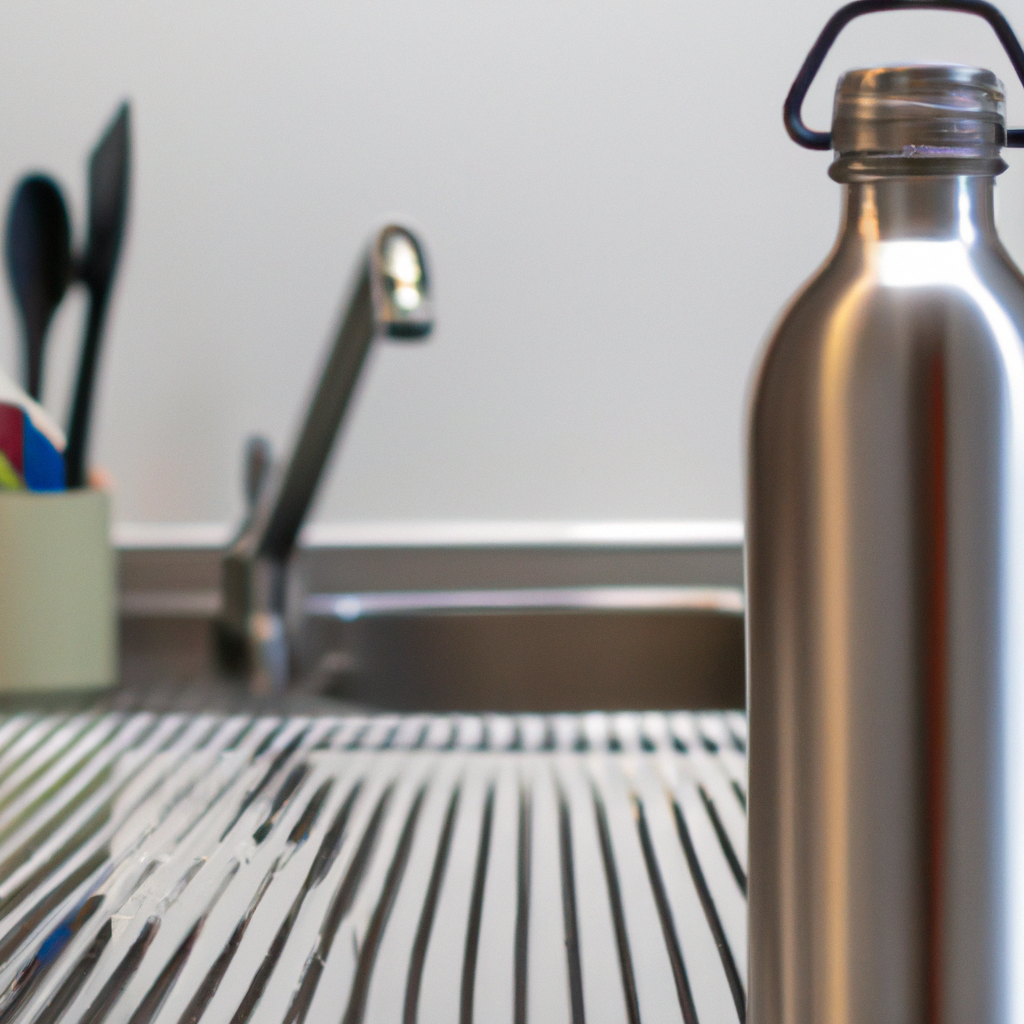
- Rinse and Dry: Ensure all soap or vinegar residue is rinsed out. Allow the bottle to air dry completely upside down on a drying rack.
Visual learners may appreciate the helpful tutorial video from the Cleveland Clinic, available on their website: Watch it here.
Common Mistakes to Avoid When Using Drinking Bottles
Despite your best intentions, there are several pitfalls to watch for:
- Skipping Daily Cleaning: This is the most common error, leading to a buildup of harmful bacteria.
- Using Harsh Chemicals: Bleach or other strong chemicals can erode the material of your bottle or leave toxic residues.
- Overlooking the Lid and Straw: These hard-to-reach spots are prime areas for bacterial growth but are often neglected during cleaning.
- Only Rinsing Instead of Scrubbing: A rinse alone will not eliminate bacteria, even with hot water.
- Sharing Your Bottle: Sharing increases the risk of transmitting bacteria or germs between users.
Deep Insights: Why This Matters in 2025
In 2025, the popularity of reusable drinking bottles continues to rise, driven by environmental awareness. But the flip side of this trend is the increased risk of bacterial illnesses from improper hygiene. Glass and stainless steel bottles are generally less prone to bacterial accumulation than plastic, especially single-use plastics reused improperly.
Health experts insist that keeping your bottle clean is not just about avoiding bacteria but also about ensuring water tastes fresh and free of residues.
Unlock Funding for Hygienic Measures with Grant Tools
For startups or companies innovating in sustainable or hygienic bottle designs, securing funding has never been easier. Discover the best grant writing and finding tools to simplify your application process and increase your chances of receiving grants for health-focused innovations. Tools like Fem/ale Switch Grant Builder streamline crafting impactful grant applications so your project gets noticed.
Conclusion
Reusable water bottles are a must-have for the modern eco-conscious individual. However, neglecting to clean your drinking bottle regularly can introduce significant health risks. By following the seven proven steps outlined above, you can ensure your bottle remains safe, fresh, and bacteria-free.
Take the time to incorporate proper cleaning habits into your routine, and you’ll enjoy the benefits of hydration without worry. For more expert advice, check practical guides from the Cleveland Clinic or insights from WebMD. Stay healthy, hydrated, and hygienic!
FAQ
1. What are the health risks associated with bacteria in reusable water bottles?
Bacteria in reusable water bottles can cause gastrointestinal issues, skin infections, and illnesses from contamination such as E. coli or Salmonella. Check out WebMD for more information.
2. How often should I clean my reusable water bottle?
It is recommended to wash your reusable water bottle daily with warm, soapy water to prevent bacterial growth. Learn more from the Cleveland Clinic.
3. What materials should I look for in a water bottle to minimize bacteria growth?
Opt for BPA-free plastics or bottles with antibacterial properties. This helps reduce the risk of scratches and bacteria accumulation. Discover more cleaning tips from Good Housekeeping.
4. Can I use household items to disinfect my water bottle?
Yes, vinegar and baking soda are excellent for deep cleaning. You can mix vinegar with water or add baking soda to sanitize your bottle effectively. Learn more tips from NBC News.
5. Should I avoid using the same water bottle for multiple days?
Yes, reusing the same bottle without cleaning can lead to bacteria buildup. Always clean your bottle regularly. Explore more advice on Insider.
6. What mistakes should I avoid when using reusable water bottles?
Common mistakes include skipping daily cleaning, using harsh chemicals, and neglecting the lid and straw areas. Find more insights on HuffPost.
7. Can I use AI to write SEO-optimized articles that help my brand grow?
Most business owners don't understand how SEO works, let alone how to use AI for writing blog articles. That's why for busy business owners there's a great free tool that doesn't require much knowledge. Write articles for free.
8. How should I properly clean my drinking bottle?
Disassemble the bottle, rinse it, scrub with soap using a bottle brush, soak in a vinegar solution weekly, and allow it to air dry thoroughly. Check out this detailed guide from the Cleveland Clinic.
9. What types of bacteria are commonly found in water bottles?
Common bacteria include E. coli and Staphylococcus, both of which can thrive in the moist environments of unclean bottles. Explore more dangers on Google Search Results.
10. Is it safe to share my water bottle with others?
Sharing water bottles can increase the risk of transmitting bacteria or germs, so it's advisable to avoid this practice. Learn more about this topic on Reddit.
If you require assistance with this article, Contact Us