Can Tea Help with Allergies?
Certain teas may help alleviate allergy symptoms thanks to their natural antihistamine, anti-inflammatory, and immune-boosting properties. While tea shouldn't replace medical treatment for severe allergies, it can be a comforting complementary therapy for mild seasonal symptoms.
Table of Contents
Top 6 Infusions for Allergy Relief
1. Nettle
Stinging nettle contains natural antihistamine compounds that may help block allergy symptoms. Some studies suggest it can reduce inflammation in nasal passages.
2. Green
Rich in the antioxidant EGCG, green tea may help inhibit histamine production. Its anti-inflammatory properties can soothe irritated mucous membranes.
3. Peppermint
The menthol in peppermint acts as a natural decongestant, helping to clear nasal passages. It also has anti-inflammatory effects that may reduce allergy symptoms.
4. Ginger
Ginger contains potent anti-inflammatory compounds that may help relieve allergic reactions. It can also ease allergy-related nausea and digestive issues.
5. Turmeric
Curcumin, the active compound in turmeric, has strong anti-allergic properties. It may help modulate the immune system's response to allergens.
6. Rooibos
This caffeine-free herbal infusion contains antioxidants that may help reduce allergy symptoms by preventing histamine release.
How Tea May Help with Allergies
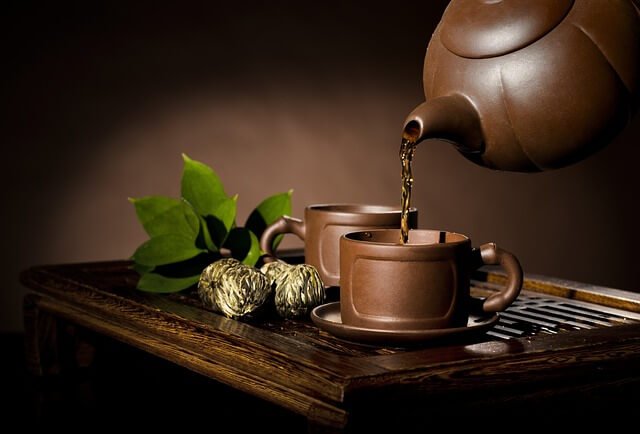
- Natural antihistamines: Some teas contain compounds that block histamine production
- Anti-inflammatory effects: Can reduce swelling in nasal passages and sinuses
- Antioxidant protection: Helps combat oxidative stress from allergic reactions
- Steam therapy: Inhaling warm tea vapors can help clear congestion
- Hydration: Helps thin mucus and keep mucous membranes moist
How to Use The Infusions for Allergy Relief
Brewing Methods
- Use fresh, high-quality loose leaf when possible
- Steep for 5-10 minutes to extract maximum beneficial compounds
- Cover while steeping to preserve volatile oils
- Drink 2-3 cups daily during allergy season
Enhancing Effects
- Add local honey (may help with pollen allergies)
- Include lemon for vitamin C boost
- Combine with a spoonful of grated fresh ginger or turmeric
- Inhale the steam before drinking for added decongestant effect
Scientific Evidence re Allergies
Supporting Research
- Some studies show nettle extract can inhibit inflammatory pathways involved in allergic rhinitis
- EGCG has demonstrated antihistamine effects in laboratory studies
- Curcumin has shown promise in reducing allergic airway inflammation in animal studies
Limitations
- Most human studies have used concentrated extracts rather than infusions
- Effects may be milder than pharmaceutical antihistamines
- Individual responses vary significantly
Precautions and Considerations
- Some herbal infusions may interact with medications (especially blood thinners)
- People with plant allergies should be cautious with herbal teas
- Not a substitute for epinephrine in cases of severe allergic reactions
- Consult your doctor if symptoms persist or worsen
- Start with small amounts to check for individual reactions
Other Natural Approaches for Allergy Relief
- HEPA air filters to reduce airborne allergens
- Saline nasal irrigation
- Vitamin C-rich foods
- Omega-3 fatty acids
- Probiotics for immune support
Final Thoughts
While research is still developing, certain herbal infusions may offer natural relief for mild allergy symptoms. The combination of beneficial plant compounds, warm hydration, and steam inhalation can make tea a soothing addition to your allergy management routine. For best results, combine with other evidence-based allergy treatments as needed.
Key Takeaways:
- Nettle, green, and peppermint infusions show particular promise for allergies
- The compounds may act as natural antihistamines and anti-inflammatories
- Effects are generally milder than medications but with fewer side effects
- Steam inhalation enhances the decongestant benefits
- Should be part of a comprehensive allergy management plan
The content of this post is provided for informational purposes only. It is essential to consult with a qualified healthcare professional before making any decisions regarding your health or wellness. The author is not a licensed medical professional, and this information should not be considered medical advice.
Have you found this article helpful for your allergy symptoms? Share your favorite allergy-fighting tea blends in the comments!
If you require any assistance with this article, please do not hesitate to Contact Us